
The Expensive Lesson That Changed How I Look at Digital Assets
I remember staring blankly at my computer screen, watching my portfolio drop by eighty percent overnight. I had just put my hard-earned savings into a flashy new token because a random social media influencer promised it would go to the moon. I did not read a single page of their official documentation, completely ignoring the basic rules of research. I just blindly trusted the hype and the fancy website. It felt awful realizing I had handed over my money to a project that had absolutely zero real-world utility. My stomach dropped, and the anxiety of that loss kept me awake for weeks. That painful experience was my expensive wake-up call to finally start reading and analyzing before making any financial decisions.
So many regular people go through this exact same nightmare every single day. We get caught up in the excitement of massive potential gains and entirely skip the boring research part. You see a coin trending online, you experience the fear of missing out, and you hit the buy button.
But when the market crashes or the founders suddenly disappear, the mental toll is incredibly heavy. You are left feeling betrayed, stressed, and frustrated with yourself for not looking closer. The daily stress of not knowing if your money is safe ruins your mental peace. You constantly check price charts, hoping for a miracle that is never going to happen.
This toxic cycle happens simply because the technical jargon in the crypto space feels completely overwhelming to a normal person. Most beginners think they need a computer science degree to understand what a project actually does. The truth is, you are just lacking a clear, simple system to filter the good ideas from the obvious traps. Today, we are going to fix that problem together.
Breaking Down the Technical Wall: Your Blueprint to Clarity
You do not need to be a math genius or a senior software developer to understand a digital asset's core purpose. You just need to know exactly where to look and what specific questions to ask. Think of a whitepaper like a business plan mixed with a user manual. If a company cannot explain their business plan in a way that makes logical sense, they do not deserve your money.
Let us walk through a highly practical method to break down any project documentation. We will cut through the noise and focus only on the elements that actually impact the long-term value of your investment.
Find the Core Problem and the Proposed Solution
Every legitimate project exists to solve a specific problem in the real world or within the digital ecosystem. If there is no real problem, there is no real need for the project. When you open a whitepaper, skip the fancy introductory graphics and head straight to the "Abstract" or "Introduction" section.
Ask yourself: What exact issue are they trying to fix? Is this a genuine issue that actual humans or businesses face right now? Sometimes, founders create completely imaginary problems just so they have an excuse to launch a new token.
If they claim they are fixing slow transaction speeds, look at how they plan to do it differently than the top ten coins already doing the exact same thing. The solution must be clear, practical, and easy to understand. If the explanation is stuffed with heavy buzzwords and you still do not know what the product does after reading it three times, walk away. Good developers know how to explain their ideas simply.
Watch This Quick Breakdown on Evaluating Core Utilities!
If you want to see exactly how top investors spot a fake use case within the first five minutes of reading, check out this brilliant video walkthrough.
Follow the Money: Evaluating Tokenomics Like a Pro
The absolute most important section of any cryptocurrency documentation is the tokenomics. This is the economic structure of the token. It tells you how the digital asset is created, distributed, and managed over time. A great idea with terrible tokenomics is still a terrible investment.
First, look at the Maximum Supply. Does the token have a hard cap, meaning no more tokens can ever be created? If there is an infinite supply, the value of your holdings will likely drop over time due to constant inflation.
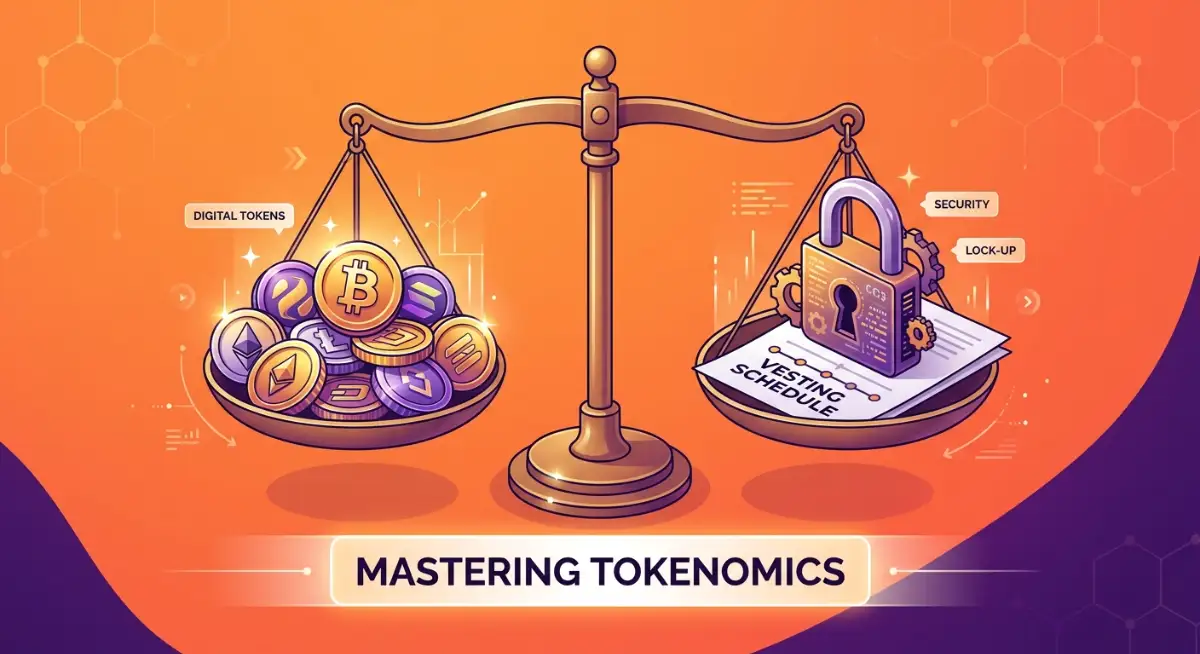
Next, examine the Initial Distribution. Who gets the tokens on day one? If the founding team and their private investors hold sixty to seventy percent of the total supply, that is a massive red flag. They hold too much power. If they decide to sell their bags all at once, the price will crash to zero instantly, leaving regular buyers holding worthless assets.
I learned this the hard way when I completely ignored a gaming project's vesting schedule and got dumped on by early investors just weeks after buying in. Always check exactly when the team's locked tokens are scheduled to release into the open market, because if they can sell immediately, they probably will.
You must also look for the Utility of the Token. Why does someone need to buy and hold this specific coin? Does it give them voting rights? Is it required to pay for transaction fees on their specific network? If the token has no actual use inside its own ecosystem, it is just a useless digital souvenir.
Investigate the Human Element Behind the Code
Code does not build businesses; humans do. A whitepaper is essentially a promise made by a group of developers to deliver a working product. Therefore, you must investigate the people making those promises.
Scroll down to the "Team" or "Founders" section. Are their full names and professional backgrounds listed? You want to see links to their verified professional profiles or public social media accounts.
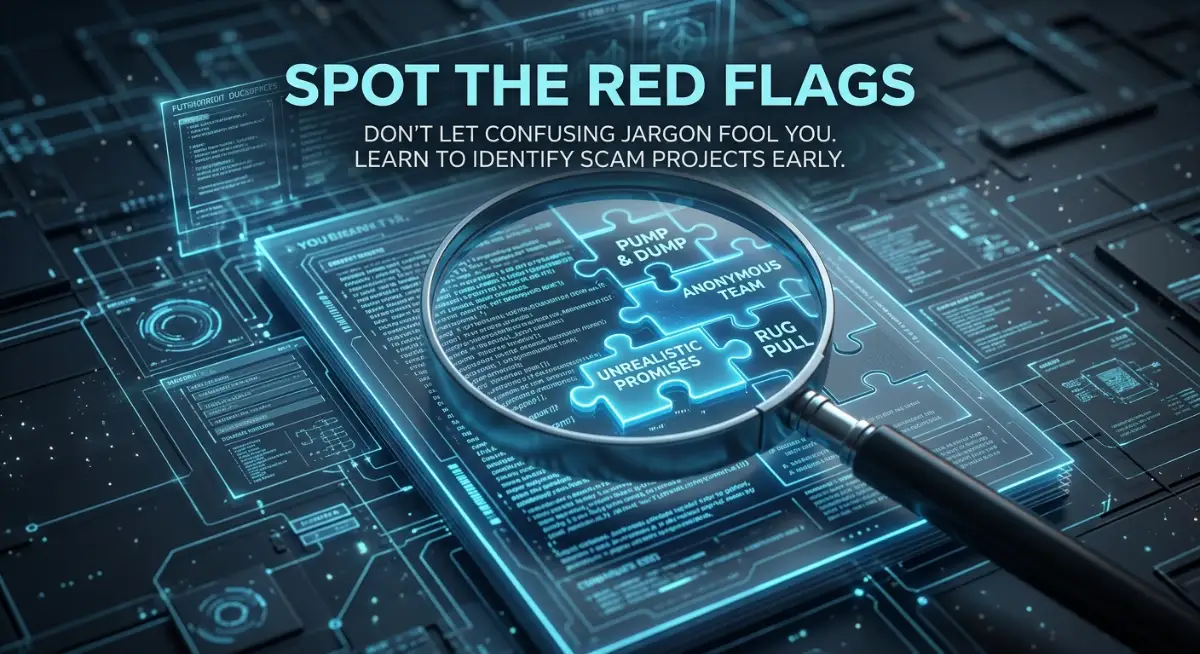
If a project handling millions of dollars is run by a completely anonymous team using cartoon profile pictures, you are taking a massive risk. While anonymous founders are a part of internet culture, it also means there are zero consequences if they decide to steal the funds and vanish.
Look for a proven track record. Have these individuals successfully built other software companies before? Do they have actual experience in cryptography, finance, or business management? A team with a history of delivering real products brings a high level of trust to the table. If the team claims to have partnerships with massive global brands, do a quick internet search to verify if those brands have actually acknowledged the partnership. Many scam projects fake these partnerships to look legitimate.
Scrutinize the Long-Term Roadmap
A solid project will always provide a clear, realistic timeline of their goals, usually called a Roadmap. This section shows you what the team plans to build and exactly when they plan to deliver it.
You want to see specific, measurable milestones. For example, "Launch mobile application testing in Q3" is a clear goal. On the other hand, "Dominate the global financial system" is just empty marketing hype.
Pay close attention to how they plan to spend the funds they raise from investors. The documentation should clearly outline the percentage of money going toward software development, marketing, legal compliance, and daily operations. If an unusually high amount is dedicated solely to marketing and paying influencers, the project is likely more focused on creating artificial hype than building a real product.
A realistic roadmap also acknowledges potential challenges. Good founders know that building complex software is hard. If a whitepaper claims everything will be perfect, easy, and completely risk-free, they are lying to you. Honest developers will highlight the technical hurdles they expect to face and explain their backup plans to overcome them.
Analyzing the Technical Architecture Without Getting Lost
This is the section where most regular people completely give up. The technical architecture explains how the network actually functions behind the scenes. While you do not need to understand every single line of code, you should grasp the basic mechanics of their operation.
Focus on the Consensus Mechanism. This simply means how the network agrees that a transaction is valid and truthful. Are they using energy-intensive methods where computers solve math puzzles, or are they using a system where users lock up their coins to secure the network?
Just reading the basic definition of their chosen method will give you an idea of how secure and scalable the network is. If they claim to have invented a brand-new, never-before-seen way to process millions of transactions per second, be highly skeptical. Groundbreaking technology requires heavy peer review and extensive public testing.
Check if they mention Security Audits. A trustworthy team will always hire outside, independent security firms to check their code for hidden bugs and vulnerabilities. If the whitepaper does not mention any plans for third-party security audits, they are not taking the safety of your funds seriously.
Always look for evidence of transparency. Legitimate projects make their code open-source, allowing anyone in the public to view it and suggest improvements. Closed-source code in the digital asset space is generally viewed with heavy suspicion because nobody can verify what is actually happening behind the curtain.
Recognizing the Classic Warning Signs
By now, you are building a strong foundation of analytical skills. But knowing what to look for is only half the battle. You also need to instantly recognize the common traps designed to steal your hard-earned money.
One of the biggest warning signs is a strong focus on price predictions. A legitimate technical document will almost never discuss the future price of their token. Their focus should be entirely on the technology and the ecosystem. If the paper constantly mentions "guaranteed returns," "massive profits," or "going to the moon," you are reading a scam document, not a whitepaper.
Another major red flag is poor spelling and terrible formatting. If a team is asking for millions of dollars in investments, the least they can do is hire a professional editor to proofread their work. A sloppy document with basic grammar mistakes shows a deep lack of care and professionalism. If they cannot be bothered to fix a spelling mistake, they definitely will not be bothered to fix a critical bug in their software.
Finally, beware of the "Buzzword Salad." This is a tactic where developers stuff the document with complicated, trendy words like "AI-driven," "quantum-secure," or "synergistic algorithms" without actually explaining how those things work together. They do this to confuse beginner investors into thinking the project is incredibly advanced. If reading a section feels like trying to decode an alien language, it is intentionally designed to confuse you. Real innovation can always be explained in simple terms to normal people.
Next-Level Strategies to Read Like a Hedge Fund Analyst
Once you understand the basic components of a project document, it is time to upgrade your research skills. Professional investors do not just read the words on the page; they look for the hidden actions behind those words. You can easily apply these same advanced tactics to your own daily research routine.
One of the best secrets I use is cross-referencing the team's claims with their actual public activity. If a whitepaper says they are actively building revolutionary technology, you should check their public developer pages. You do not need to be a programmer to look at a public GitHub repository and see if people are actually uploading updates.
If the last software update was six months ago, but their marketing team posts on social media every single hour, you have a massive problem. They are spending your money on hype instead of building the actual product. This simple check takes two minutes but saves you from investing in dead projects.
Leveraging Smart Tools to Decode Hard Concepts
Sometimes, the technical language in these documents is intentionally dense to make the project sound smarter than it actually is. You do not have to struggle through it alone. Today, we have amazing digital tools that can help translate complex jargon into plain English.
For instance, you can use modern language models to summarize heavy technical paragraphs. If you know how to give the right instructions, these tools act like your personal financial translator. Learning the secret to writing flawless AI prompts can help you instantly break down a twenty-page technical document into a simple five-point summary.
Always look for third-party validation from trusted regulatory or educational bodies. For example, reading through the blockchain security standards published by the National Institute of Standards and Technology (NIST) can give you a baseline understanding of what a truly secure network looks like. If a project completely ignores these basic global standards, they are putting your funds at heavy risk.
The Power of Following the Digital Breadcrumbs
Another advanced strategy is tracking the early investor money. A good whitepaper will always tell you exactly where the initial funds are going. But you need to ask yourself what happens if those early private investors decide to leave.
If a project relies heavily on borrowed funds or complex debt structures, it becomes incredibly risky during a market downturn. Evaluating this risk is very similar to spotting fatal mistakes to avoid during your financial pre-approval. You have to look past the shiny exterior and see if the financial foundation is actually stable.
An Expert Insight on Community Health
I always check the project's official community channels after reading their document. If the whitepaper talks about building a decentralized, community-governed platform, but their online forums ban anyone who asks a logical question, the document is a lie. A healthy project welcomes tough questions and treats their community with respect. If the only allowed conversation is about the token's price going up, grab your money and run away.
The Danger Zones: How Innocent Buyers Lose Their Savings
Even with a solid research plan, our own human emotions can easily lead us into dangerous traps. The digital asset market moves incredibly fast, and the fear of missing out is a powerful, destructive force. I have seen so many smart people completely abandon their logic just because they saw a token trending on social media.
The biggest mistake you can make is skipping the documentation entirely because you feel pressured to buy before the price goes up. Scammers rely on this exact psychological pressure. They want you to buy in a panic without reading the fine print.
The Illusion of Guaranteed Returns
Many fraudulent projects hide their true intentions behind confusing economic models. They will promise astronomical annual returns, sometimes claiming you can double your money in a month just by holding their token.
If a whitepaper promises a guaranteed return on investment, it is almost certainly a Ponzi scheme. Real businesses and legitimate software networks cannot guarantee profits, because real markets are unpredictable. You can learn more about spotting these specific red flags by reviewing the Federal Trade Commission guidelines on avoiding digital asset scams.
These malicious developers use clever, legally confusing language to trap your money. It is extremely similar to how aggressive companies use hidden clauses to their advantage. Just like you need to watch out for secret tricks financial companies use to void your policy, you must fiercely protect yourself against shady token lock-up periods. If a document says they can freeze your ability to sell at any time, do not touch that token.
Myth vs Reality: The Marketing Hype Trap
Let us break down a very common trap that catches thousands of beginners every single week.
The Myth: If a whitepaper has beautiful graphic design, professional videos, and celebrity endorsements, it must be a safe and legitimate business.
The Reality: Scammers often hire top-tier marketing agencies with the money they stole from previous victims. A flashy PDF document is cheap to produce, but writing secure, functional code takes years of hard work.
You must learn to separate the marketing budget from the actual technology. Many buyers get distracted by the fancy charts and completely miss the restrictive clauses hidden at the very bottom of the document. Finding these hidden dangers requires the same sharp eye you would use to spot hidden traps in a personal financial agreement. Never let a pretty website blind you to bad business practices.
Ignoring the Token Distribution Schedule
I cannot stress this enough: ignoring the token release schedule is the fastest way to lose your entire investment. Many beginners read a great whitepaper, see a fantastic product, and buy the token without checking the vesting schedule.
They do not realize that the founding team is scheduled to unlock millions of free tokens the very next week. When those founders dump their free tokens on the open market, the price collapses instantly. You are left holding a massive loss while the creators walk away rich. Always verify exactly when the team is allowed to sell their own supply.
Your Action Plan for Smarter Investing
We have covered a massive amount of ground today, and I know this process might still feel a bit intimidating. But you now possess a powerful toolkit that puts you far ahead of the average market participant. You no longer have to rely on blind luck or random rumors.
Think of this process as building a protective wall around your hard-earned money. You are taking control of your financial future by simply choosing to read, analyze, and ask the right questions. The more whitepapers you read, the faster and easier this entire process becomes.
The Ultimate Final Checklist
To make things incredibly simple, here is a quick action plan you can use every single time you find a new project. Treat this like your ultimate blueprint to understanding complex financial assets.
First, open the document and find the core problem they are solving. If the problem is fake, stop reading. Second, jump straight to the tokenomics section. Check the maximum supply and exactly who holds the majority of the tokens.
Third, investigate the team members. Are they real people with verifiable public profiles and actual industry experience? Finally, check the roadmap to ensure their future goals are realistic and logically sound.
Building Unbreakable Financial Habits
Developing this habit of deep research will save you from endless stress and anxiety. It requires patience, much like taking the time to read dense medical documents to save money, but the long-term payoff is massive.
You are teaching yourself to think critically in a market that constantly tries to sell you dreams. For a deeper understanding of how global financial systems view these digital assets, you can always explore public research from institutions like the Cambridge Centre for Alternative Finance. Education is quite literally your best defense.
Remember, you hold all the power. If a project's documentation feels shady, confusing, or manipulative, you have the absolute right to walk away. Keep your money safe in your wallet until you find a team that respects you enough to be completely transparent.
I used to feel incredibly dumb when I could not understand a project's whitepaper, thinking the developers were just smarter than me. I eventually realized that if they cannot explain their business simply, they are either hiding something or they don't understand it themselves. Trust your gut, protect your capital, and never apologize for asking tough questions before handing over your cash.
Frequent Questions Beginners Ask About Crypto Documents
What exactly is a cryptocurrency whitepaper?
It is the official foundational document created by a project's founding team. It explains the exact problem they want to solve, how their specific technology works, and how their digital economy will function. Think of it as a detailed business pitch aimed directly at potential investors.
Do I really need to read every single page?
No, you do not need to read it cover to cover like a novel. You should scan the document to find the most critical sections like tokenomics, the team's background, and the actual use case. Focus heavily on how the money flows and how the project plans to survive long-term.
How long does it take to analyze one properly?
When you are just starting out, it might take you an hour or two to slowly digest the information and look up confusing terms. Once you get used to the standard formats, you can easily spot the major red flags within ten to fifteen minutes. Practice makes this process incredibly fast.
Are these documents legally binding agreements?
In most cases, they are not legally binding contracts. They are basically a statement of intent and a technological roadmap. If a team fails to deliver on the promises made in their whitepaper, it is very difficult for regular buyers to hold them legally accountable, which is why your upfront research is so important.
What if a project does not have a whitepaper at all?
If a project is asking for your money but refuses to provide official documentation, you should avoid it completely. A missing whitepaper is the loudest warning sign of a lazy cash grab or a direct scam. Just like avoiding hidden traps in a bad financial package, you must demand full transparency before signing away your funds.
![7 Hidden Dangers of Leaving Your Crypto on Exchanges [Avoid These Mistakes]](https://techinfomart.com/storage/uploads/blogs/1788006845_7-hidden-dangers-of-leaving-your-crypto-on-exchanges-avoid-these-mistakes.webp)