
The Terrifying Morning My Digital Portfolio Was Frozen
I still remember the sudden knot in my stomach when I tried to log into my favorite trading platform. I typed in my password, completed the two-factor authentication, and waited for my dashboard to load.
Instead of seeing my familiar account balance, a cold red banner flashed across my screen. It simply read that my account was temporarily restricted for security reasons.
Panic immediately set in because my entire life savings were sitting on that exact platform. I desperately refreshed the page over and over again. I felt completely helpless because I had no direct phone number to call and no physical bank to visit.
I spent the next three days sending support tickets into a deep, empty void. Every single email I received was just an automated bot telling me to wait patiently. I realized at that exact moment that I did not actually own my digital money.
I had simply given my money to a giant tech company and crossed my fingers, hoping they would give it back to me. That terrifying experience changed the way I look at digital wealth forever.
The Hidden Anxiety of Trusting Third-Party Vaults
Millions of regular people wake up every single day with this exact same underlying fear. We put our hard-earned money onto shiny, popular trading apps because it feels convenient and easy. We see massive advertising campaigns and assume these large companies are just as safe as our local neighborhood banks.
But this false sense of security creates a massive amount of mental stress behind closed doors. People constantly check their phones at the dinner table, terrified that a sudden market crash will cause their platform to lock their funds.
This constant worry slowly eats away at your daily peace of mind. You start reading negative news headlines and instantly wonder if your chosen platform is secretly going bankrupt. You realize that one simple database error or one bad decision by a CEO could wipe out your family’s financial future.
This takes away the joy and freedom that digital assets are supposed to provide. Instead of feeling empowered by the future of finance, you feel chained to the rules of a faceless corporation. The emotional toll of this uncertainty is heavy, and it is a problem that everyday investors face right now.
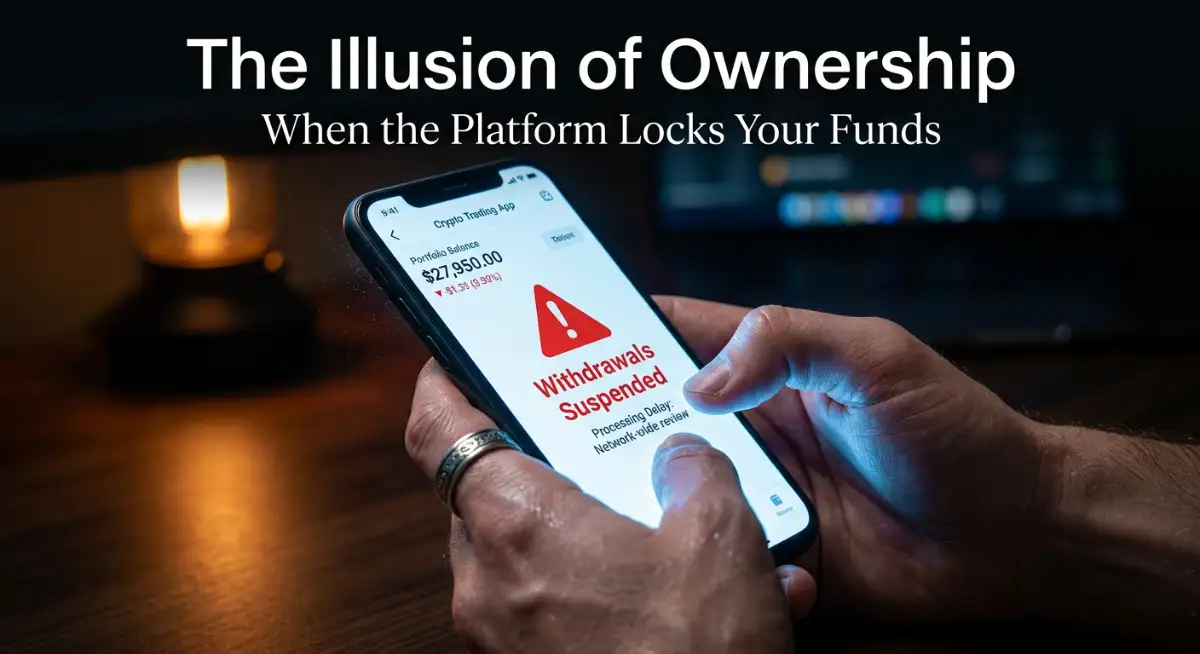
What Actually Happens When You Hit "Deposit" on a Platform
When you send your money to a popular trading app, you are making a massive compromise. You are trading your total financial freedom for a little bit of temporary convenience. Let us break down exactly what happens behind the scenes when your funds arrive on their servers.
The Illusion of True Ownership
Most people believe that the numbers on their screen represent real coins sitting in a personal digital vault. This is a very common and dangerous misunderstanding. When you deposit funds, those assets go directly into a giant, shared pool controlled entirely by the company.
The numbers you see on your mobile app are basically just an IOU from the platform. It is a digital promise that they will give you back your money if you ever ask for it. But if the company faces a major financial crisis, that promise becomes completely worthless.
They can legally pause your withdrawals, lock your account, or use your funds to pay off their own business debts. You have zero legal rights to demand your assets because you gave up ownership the second you hit the deposit button.
Understanding the Mechanics of Centralized Custody
Think of a centralized platform like a massive public parking garage where you leave your luxury car. You hand over the keys to a valet driver and walk away with nothing but a small paper ticket. You assume your car is safely parked on the third floor, waiting for your return.
But behind the scenes, the parking garage manager might be renting your car out to other people. If the manager goes bankrupt and the garage shuts down, your paper ticket will not help you get your car back. The platform holds the master keys to the entire system.
They control the private keys, which act as the ultimate cryptographic passwords to access the funds on the blockchain. Because they hold the keys, they hold all the power over your financial destiny.
I realized this the hard way during my own journey into digital finance. I used to keep all my funds on a popular exchange just because I liked the colorful charts on their mobile app. It took a near-loss of my entire portfolio for me to finally understand that convenience is never worth risking my financial security.
Watch this excellent breakdown of why holding your own keys is so important for your financial future.
Myth vs. Reality: Debunking Platform Safety Guarantees
Many new investors fall into the trap of believing marketing slogans over technical reality. Let us clear up some of the biggest misunderstandings regarding platform safety.
Myth: The platform has a massive insurance policy, so my funds are completely guaranteed if something goes wrong.
Reality: Most insurance policies only cover highly specific events like outside hacking of the company's main servers. They almost never cover internal bankruptcy, mismanagement of funds by the CEO, or sudden insolvency.
Myth: I enabled two-factor authentication, so my account is fully protected from any danger.
Reality: Two-factor authentication only stops a hacker from guessing your specific password. It does absolutely nothing to protect you if the entire company decides to freeze withdrawals or simply shuts down their website.
Myth: The company is fully licensed and regulated, meaning the government will step in to save my money.
Reality: Regulatory licenses mean the company follows basic reporting rules, but it does not make them immune to bad business practices. Traditional government banking protections generally do not apply to digital asset platforms.
The Most Common Vulnerabilities of Popular Trading Platforms
Even the largest and most respected platforms in the world share the exact same structural weaknesses. Understanding these hidden dangers is the first step toward taking control of your own financial future.
Fractional Reserves and the Risk of Bank Runs
Many centralized companies secretly lend out customer deposits to generate massive profits for themselves. This means they do not actually hold enough assets to cover everyone if all customers wanted their money back at the exact same time.
If a bad news story breaks, panicked customers will rush to the platform to withdraw their funds. This creates a massive digital bank run. The platform quickly runs out of liquid funds and is forced to freeze the entire system.
When the system freezes, regular everyday users are the ones who suffer the most. You are left staring at a screen, unable to pay your bills or secure your wealth, simply because the platform gambled with your money.
Inside Job Threats and Poor Security Protocols
We always worry about mysterious hackers in dark rooms trying to break into a platform. However, some of the biggest threats actually come from directly inside the company building.
Disgruntled employees with high-level server access can easily compromise the security of the entire platform. Sometimes, the platforms themselves fail to update their security protocols, leaving massive blind spots in their code.
When a centralized pool of money gets large enough, it becomes an irresistible target for highly organized cybercriminals. If the platform’s security fails, your money disappears instantly, and you are left completely empty-handed.
A Practical Roadmap to Taking Full Control of Your Wealth
Taking control of your own digital assets might seem very intimidating at first glance. But with a few simple and highly effective steps, anyone can learn to become their own bank.
Upgrading to a Hardware Custody Solution
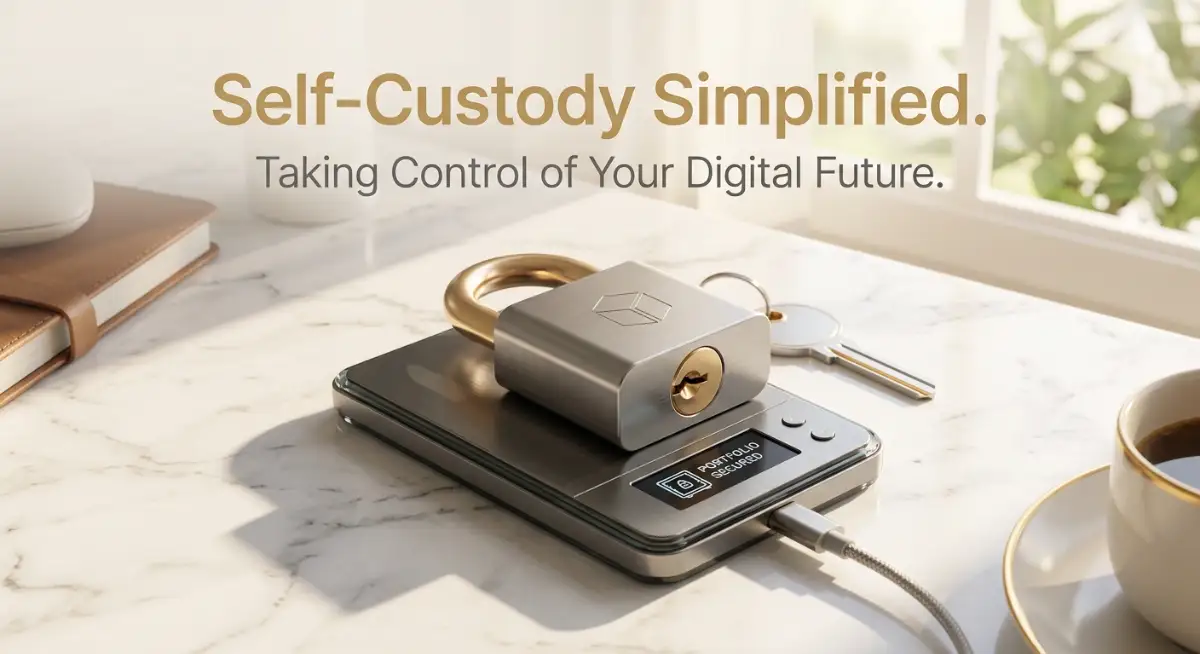
The absolute safest way to store your digital wealth is by using a dedicated cold storage hardware device. This is a small, physical device that looks somewhat like a standard USB thumb drive.
This device completely isolates your private access keys from the regular internet. Because the keys never touch an online server, remote hackers cannot steal them from your computer or phone.
When you want to move your funds, you must physically press a button on the device itself. This creates an unshakeable layer of physical security that no centralized platform can ever offer you.
Securing Your Master Recovery Phrase Like a Pro
When you set up your new hardware device, it will generate a master list of random words. This list is your ultimate backup plan, often called a seed phrase.
If you ever lose your physical device, drop it in the ocean, or break it, this list of words will completely restore your wealth. Therefore, treating this list of words with extreme respect is incredibly necessary.
Never type these words into your computer, take a photo of them, or save them in your email drafts. Write them down clearly on a thick piece of paper and store them in a fireproof safe. Some people even stamp these words into solid steel plates to ensure they survive any natural disaster.
Conducting Small Test Withdrawals First
When you are finally ready to move your money off the platform, you must never send everything all at once. This is a very common mistake that causes massive unnecessary anxiety.
Always send a tiny test transaction first to ensure you have copied the correct receiving address. Wait patiently for the small amount to successfully arrive in your secure hardware device.
Once you see the test funds safely sitting in your own personal vault, you will feel a massive wave of relief. Only then should you proceed to send the rest of your larger portfolio over.
Platform Custody vs. True Self-Custody
To make things perfectly clear, here is a simple breakdown of how these two methods compare in real life.
Maintaining Mental Peace While Being Your Own Bank
Taking full personal responsibility for your digital assets is a major life transition. It is completely normal to feel a little bit nervous during the first few weeks of holding your own keys.
But as you get used to the process, that nervous feeling quickly transforms into massive confidence. You no longer have to check the news every morning to see if your chosen platform is going bankrupt.
You can sleep peacefully at night knowing that your funds are sitting securely inside your own physical vault. No CEO, no customer support bot, and no failing business model can ever stand between you and your wealth.
Building a Rock-Solid Succession Plan
One major aspect of self-custody that people often ignore is preparing for the unexpected future. If you are the only person in the world who knows where the backup words are hidden, your family could be left with nothing if you pass away.
It is very important to write down a set of clear, step-by-step instructions for your loved ones. Explain exactly what a hardware device is and how to use the backup words in an emergency.
Store this instruction manual in a secure location, like a traditional bank safety deposit box, separate from the backup words themselves. This ensures that your digital wealth will successfully transfer to your family without compromising your daily security.
Moving Beyond the Basics: Mastering Advanced Security Strategies
Now that you understand the fundamental dangers of keeping your funds on public platforms, it is time to upgrade your security mindset. Taking your digital assets into your own hands is an ongoing process of education and careful planning.
Most people buy a physical device, write down their words, and think their job is completely finished. However, true long-term security requires you to build smart daily habits that protect you from both technical failures and physical world threats.
Setting Up a Multi-Signature Digital Vault
One of the most powerful tools used by institutional investors is a concept known as a multi-signature setup, often referred to as "multi-sig." Think of this exactly like a traditional bank safety deposit box that requires two completely different keys to open.
Instead of relying on a single hardware device to approve a transaction, you can configure your vault to require multiple approvals. For example, you could set up three separate physical devices but require any two of them to successfully move funds.
You can store one device at your house, another in a secure office safe, and leave a third with a highly trusted family member. If a thief breaks into your home and steals one device, they still cannot access your money because they do not have the required second approval. This completely removes the risk of having one single point of failure in your security plan.
The Art of Creating Decoy Accounts
When someone targets you in the physical world, they might try to force you to open your digital vault. This is a terrifying thought, but modern self-custody tools have a brilliant solution built right into their software.
You can create a hidden, separate wallet attached to your exact same set of recovery words. You achieve this by adding one extra secret word, known as a passphrase, on top of your standard word list.
This allows you to create two separate balances on the exact same physical device. You can keep a small amount of money in the main account as a decoy and store your actual life savings in the hidden passphrase account. If anyone ever forces you to unlock your device, you simply show them the small decoy account and your main wealth remains completely invisible.
Performing Routine Health Checks on Your Hardware
Your physical security devices are essentially tiny computers, and just like your laptop or smartphone, they occasionally need software updates. Developers constantly release small code improvements to patch new vulnerabilities and improve device speed.
It is a very smart habit to plug your device into a clean, safe computer every few months to check for these necessary updates. However, you must be incredibly careful to only download updates directly from the official manufacturer's website.
During these routine health checks, I also recommend doing a small test recovery of your backup words. Many modern devices have an internal feature that lets you type in your words just to verify they are correct, without actually resetting the device. This small action provides massive mental peace because you know your backup is perfectly accurate and ready if an emergency strikes.
To learn more about advanced digital safety, you can explore the Cybersecurity & Infrastructure Security Agency's guide to digital hygiene, which offers excellent foundational knowledge for keeping personal tech safe.
The Most Dangerous Pitfalls That Can Wipe Out Your Wealth
Moving your wealth off centralized platforms removes the risk of corporate bankruptcy, but it places all the responsibility squarely on your shoulders. Over the years, I have seen incredibly smart people lose everything simply because they made easily avoidable mistakes.
Photographing Your Master Recovery Phrase
This is absolutely the single most common and devastating mistake new users make. You write down your backup words on a piece of paper, and you decide to snap a quick photo on your smartphone just to be extra safe.
The moment that photo hits your phone's camera roll, your security is permanently destroyed. Your smartphone automatically uploads all your photos to massive cloud servers controlled by Apple, Google, or other third parties.
Hackers specifically target these large cloud databases searching for photos that look like lists of words. Even worse, any app on your phone that has permission to access your photo gallery could theoretically scan and steal that image in seconds.
Bragging About Your Portfolio in Public Spaces
In the excitement of managing your own wealth, it is very tempting to tell your friends, family, or online followers about your success. We naturally want to share our wins and show people how much we understand about the future of finance.
But openly discussing the size of your portfolio makes you a massive target for both online phishing attacks and real-world physical theft. You would never stand in the middle of a crowded street and yell about how much gold you have buried in your backyard.
You need to treat your digital assets with the exact same level of extreme privacy. Keep your financial details strictly to yourself, and never answer direct messages from random strangers offering to help you manage your funds.
Typing Backup Words into Fake Mobile Keyboards
When people eventually need to restore their hardware device, they sometimes try to do it through unofficial mobile apps. Cybercriminals constantly build fake applications that look exactly like the official software provided by your hardware company.
When you download this fake app, it will politely ask you to type in your master backup words to sync your account. As soon as you type those words into your mobile keyboard, the hackers instantly drain every single penny from your real vault.
Always remember this absolute golden rule: Your backup words should never, ever be typed into a computer keyboard, a mobile phone screen, or any website. They should only ever be entered directly using the physical buttons on the hardware device itself.
If you are struggling to manage personal finance details effectively, you might find some useful strategies by reviewing the ultimate blueprint to understanding your home loan step by step, which teaches great organizational habits that apply across all types of financial planning.
The Smart Path Forward: Embracing Financial Independence
Making the transition from relying on centralized platforms to taking total self-custody is a massive personal achievement. It requires patience, a willingness to learn, and the courage to completely rethink how money actually works.
When you first hold that small physical device in your hand, you might feel a sudden rush of anxiety. You are suddenly responsible for everything, and there is no friendly customer service agent to call if you make a mistake.
But after a few weeks of practicing small test transactions and organizing your physical backups, that anxiety turns into genuine empowerment. You stop worrying about daily news headlines because you know your wealth is physically separated from the chaos of the public markets.
You become completely immune to platform bankruptcies, sudden account freezes, and hidden corporate mismanagement. For a broader perspective on how large companies often manipulate fine print to lock user benefits, you can read about the secret tricks insurance companies use to void your policy, highlighting exactly why trusting centralized entities is always a risk.
By actively choosing to secure your own keys, you are actively choosing financial freedom. You are rejecting the broken promises of giant tech platforms and taking back the true ownership of your hard-earned assets.
I strongly believe that taking control of your own keys is the single most empowering financial decision you can make today. Start small, take your time, and enjoy the incredible peace of mind that comes with true digital independence.
Clear Answers to Common Self-Custody Concerns
What happens if I accidentally wash my hardware device in the laundry?
If your physical device gets completely destroyed by water or physical damage, your money is not gone. You simply purchase a brand new device from the manufacturer and enter your master backup words to fully restore your entire balance exactly as it was.
Do I need to be connected to the internet to receive funds safely?
No, you do not need to be online to receive money. Once you generate your public receiving address, anyone can send funds to that address at any time, even if your physical device is completely powered off and sitting in a safe.
Are paper backups safe enough to store my master words long-term?
Paper is a good starting point, but it easily deteriorates from water damage, humidity, or fire. Upgrading your backup to solid steel or titanium plates is highly recommended because they can survive house fires and severe flooding.
Can a platform legally deny my withdrawal request forever?
Yes, if a centralized platform files for bankruptcy, your funds become part of their legal estate to pay off their massive corporate debts. You become an unsecured creditor, which means you might wait years and still receive absolutely nothing back.
Should I delete the mobile trading app after I move my funds?
Yes, removing unused financial apps from your phone minimizes your exposure to future security flaws or data leaks. If you plan to buy more assets later, you can always reinstall the app temporarily and then move the new funds to your offline vault immediately.
![Read This Complete Crypto Whitepaper Blueprint [Before Buying]](https://techinfomart.com/storage/uploads/blogs/1788010378_read-this-complete-crypto-whitepaper-blueprint-before-buying.webp)